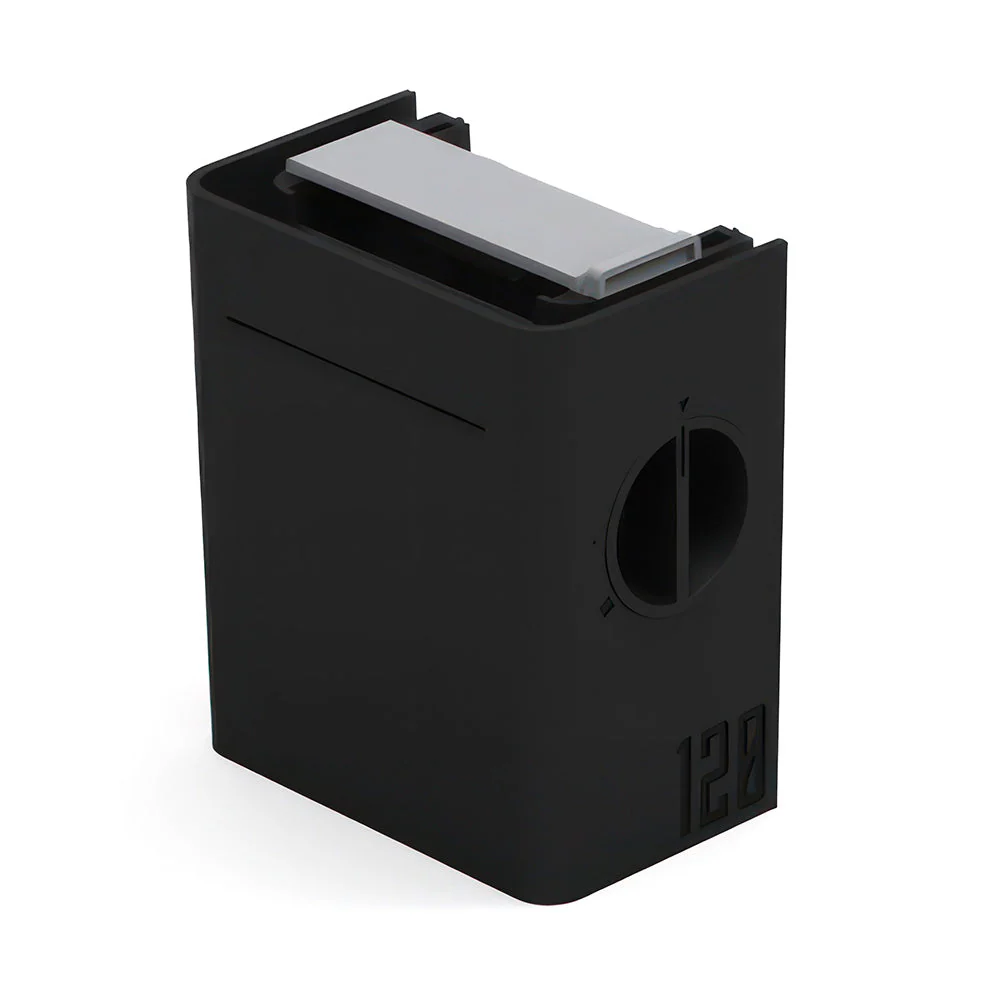
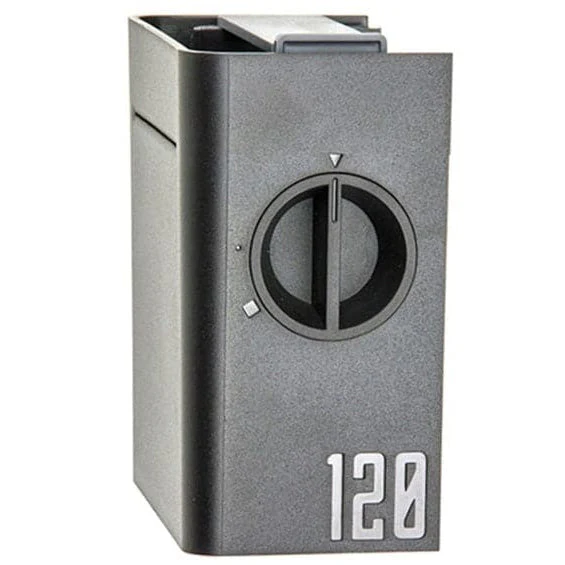
Pro Film Carrier 120 MK2
Negative Supply exists to create tools for film photographers around the world that want to spend more time photographing and less time scanning. Their products allow you to digitize negatives using your digital camera and a macro lens in as little as 5 minutes (or less).
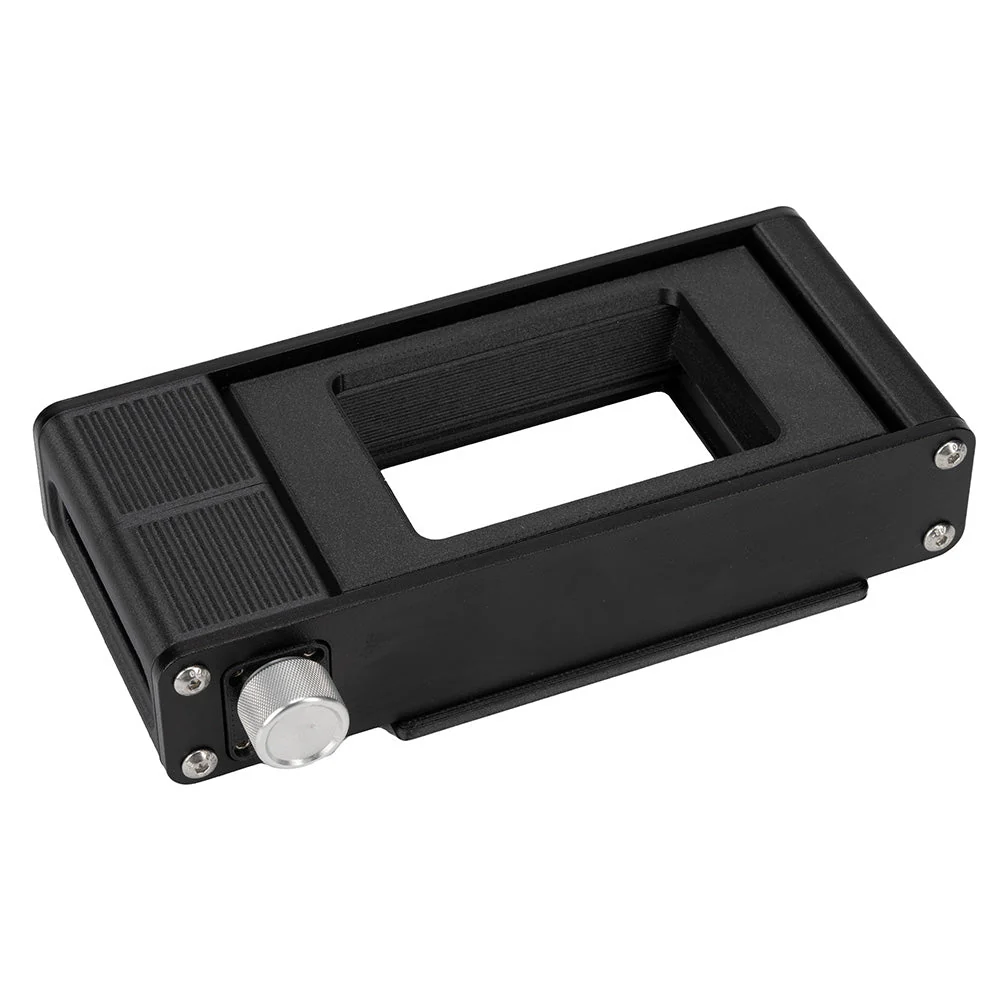
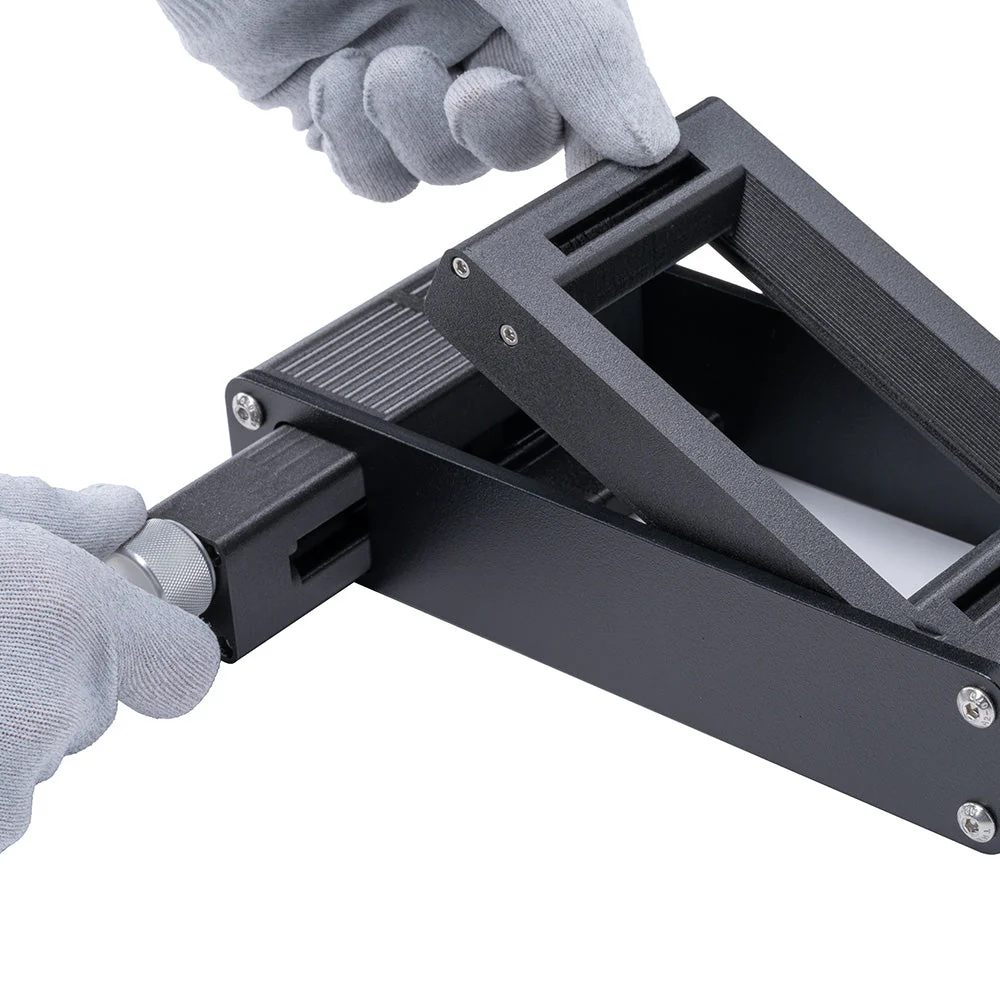
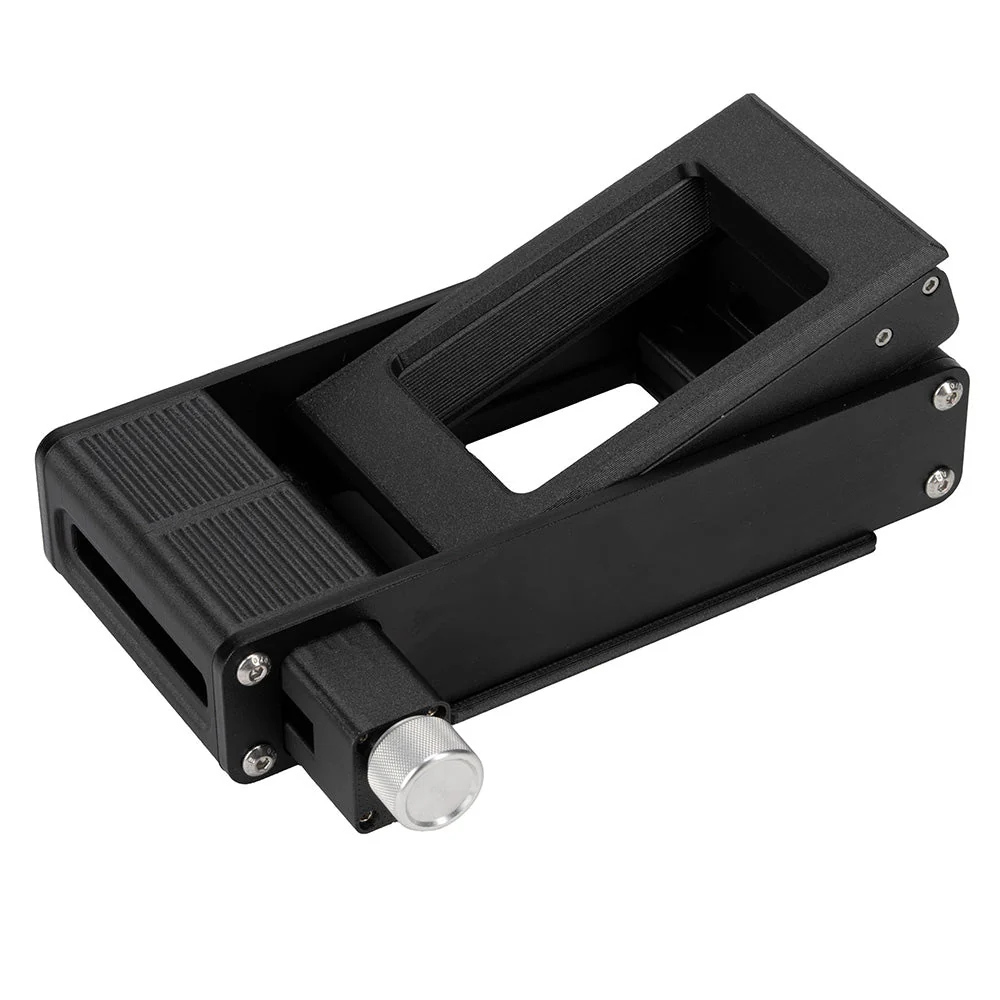
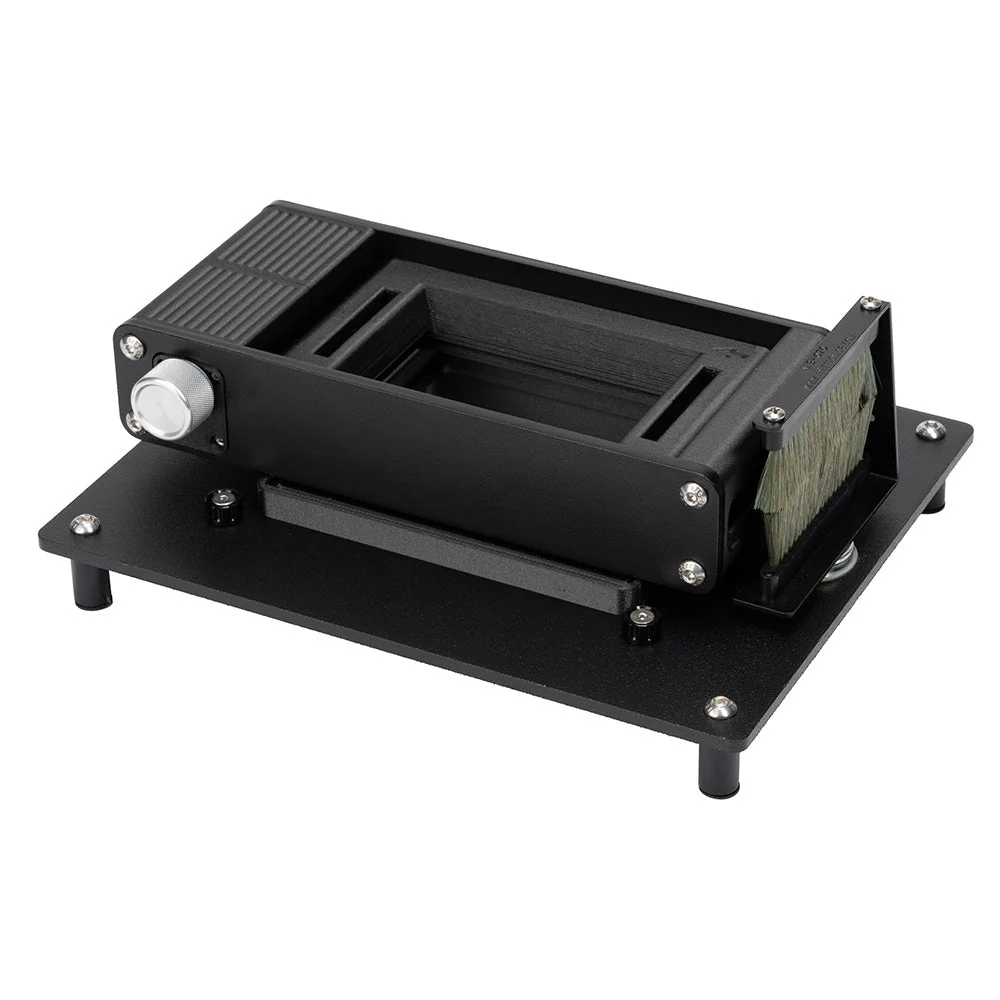
The Negative Supply Pro Film Carrier 120 MK2 is the ground-up redesign of the Pro Film Carrier 120, boasting a wide array of unique features and new functionality at the same price. The previous design has been greatly simplified eliminating the complex hinge mechanism and opting for a newly designed s-curve film track. Developed over months of rigorous testing to determine the optimal measurements, it keeps your medium format film completely flat and stable during scanning.
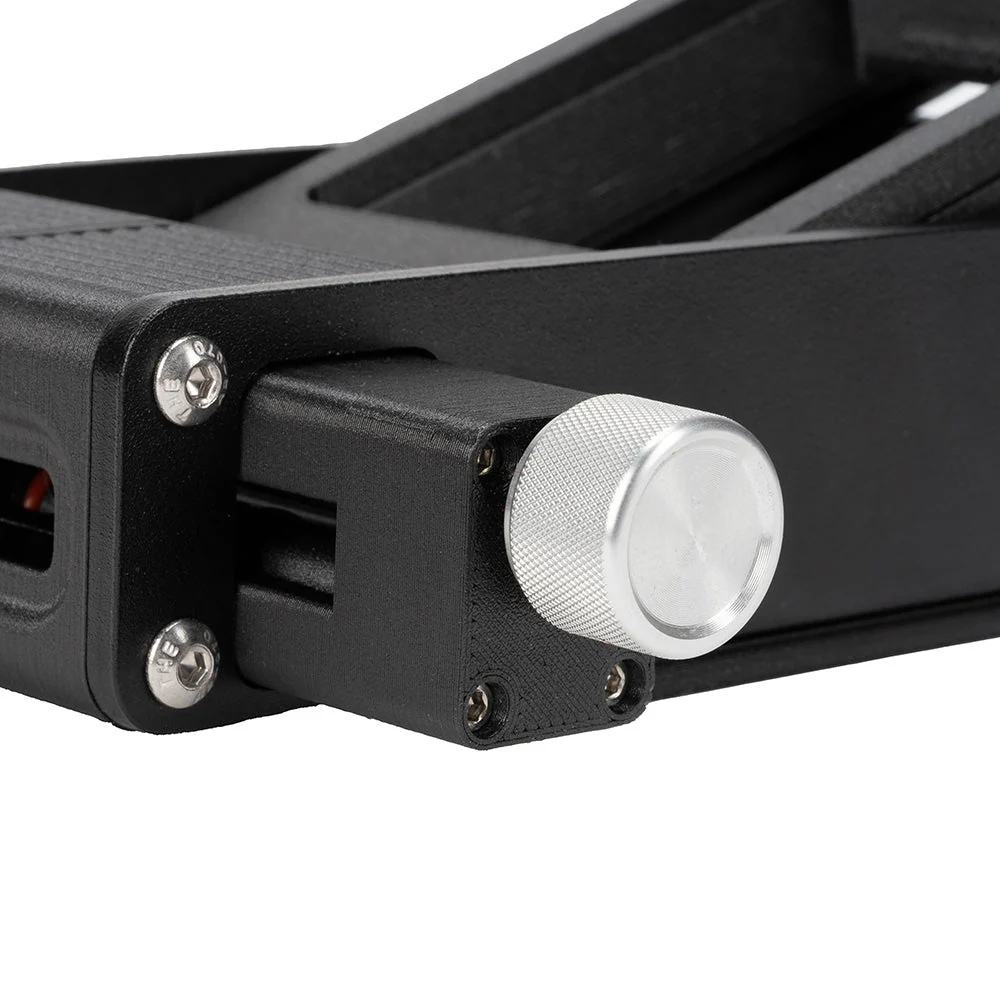
The Pro Film Carrier 120 MK2 builds on the modularity of Negative Supply system by not only featuring an interchangeable, magnetically-engaging film cassette, but also an interchangeable roller module for additional formats just like the newly revised Pro Film Carrier 35 MK2. Standard with every Pro Film Carrier 120 MK2 is an interchangeable mask set for 6x4.5, 6x6, 6x7, and 6x9cm formats. This product will be compatible with dozens of other larger than 35mm film formats with film advancing capability in the near future! The all-new Pro Film Carrier 120 MK2 is the new benchmark for film photographers.
Recommended Accessories:
Light Source/LED Panel
The light source is one of the most important things when creating a camera scanning setup. Consistent light creates evenly lit images, and full spectrum light allows for great color correction. Chances are, if your light source isn’t high CRI or has dips in the spectrum, your colors will be very hard to correct. There are many light panel options out there, but the very best offer consistent, full spectrum light with a brightness high enough to capture images at moderate shutter speeds.
Camera Stand
For great scans, you'll need to mount your camera to a sturdy support. The Negative Supply Riser line offers several camera stands of different sizes to best fit your camera weight and film format, and feature lead-screw height adjustment for quickly and easily raising and lowering the camera. Because of this adjustment option, it is impossible for your camera to “fall” or “descend uncontrollably” into your workpiece.
Camera Body
Just about any semi-modern interchangeable camera will work great for camera scanning. There are many mirrorless or DSLR options to choose from, with the most convenient offering tethered live view capture to your computer. The Canon T2i is probably the cheapest option out there with tethering and large lens selection, and new cameras like the Sony A7 series are now very affordable with great IQ. High end setups may even use the new full frame Panasonic mirrorless cameras with pixel stitching.
Macro Lens
For camera scanning, the one real requirement is that your lens focuses close enough to capture the entire frame, without having to digitally crop. For full frame cameras and capturing 35mm film, the term 1:1 designates a lens that will reproduce the 35mm frame exactly onto the full frame digital sensor. With crop bodies, 1:1 focus even closer. There are also options to use extension tubes for older macro lenses. We have had excellent results with an inexpensive Nikon 55mm macro from the film days, using a simple extension tube to get 1:1 on our full frame bodies. Higher end, yet affordable options include the excellent Sigma 70mm ART Macro. The Outside of reproduction factor (1:1), also look out for lenses that are sharp, have good color reproduction, limit internal reflections (modern coatings), and have very little vignetting. Finally, it’s generally best to use your lens stopped down 2-3 from wide open, as this gives a good combination between depth of field and brightness.
Software for Negative Conversion
There are a few plugins and standalone programs for converting negatives into positives. Some older and some newer, all of them try to harness the color science based in darkroom paper to various degrees. Many professional scanners have used LaserSoft applications or some proprietary/built-in software to emulate darkroom printing. After all, even a professional lab scanner is simply a digital camera and a light source. The applications below do the same thing for converting negatives captured with you digital camera rather than a digital camera built into a scanner. We recommend choosing the one that best suits your workflow.
| SOFTWARE | REQUIRES | CONTROL | COST |
| CS Negative+ | Adobe CC/Mobile | Prosumer | FREE |
| SmartConvert | Mac/PC | Consumer | $$ |
|
FilmLab |
Mac/PC | Consumer | $$ |
| Negative Lab Pro | Adobe Lr Classic | Prosumer | $$ |
| LaserSoft NegaFix | SilverFast HDR 8 | Professional | $$$ |
| ColorPerfect | Adobe Ps | Professional | $ |
Description
Negative Supply exists to create tools for film photographers around the world that want to spend more time photographing and less time scanning. Their products allow you to digitize negatives using your digital camera and a macro lens in as little as 5 minutes (or less).
The Negative Supply Pro Film Carrier 120 MK2 is the ground-up redesign of the Pro Film Carrier 120, boasting a wide array of unique features and new functionality at the same price. The previous design has been greatly simplified eliminating the complex hinge mechanism and opting for a newly designed s-curve film track. Developed over months of rigorous testing to determine the optimal measurements, it keeps your medium format film completely flat and stable during scanning.
The Pro Film Carrier 120 MK2 builds on the modularity of Negative Supply system by not only featuring an interchangeable, magnetically-engaging film cassette, but also an interchangeable roller module for additional formats just like the newly revised Pro Film Carrier 35 MK2. Standard with every Pro Film Carrier 120 MK2 is an interchangeable mask set for 6x4.5, 6x6, 6x7, and 6x9cm formats. This product will be compatible with dozens of other larger than 35mm film formats with film advancing capability in the near future! The all-new Pro Film Carrier 120 MK2 is the new benchmark for film photographers.
Recommended Accessories:
Light Source/LED Panel
The light source is one of the most important things when creating a camera scanning setup. Consistent light creates evenly lit images, and full spectrum light allows for great color correction. Chances are, if your light source isn’t high CRI or has dips in the spectrum, your colors will be very hard to correct. There are many light panel options out there, but the very best offer consistent, full spectrum light with a brightness high enough to capture images at moderate shutter speeds.
Camera Stand
For great scans, you'll need to mount your camera to a sturdy support. The Negative Supply Riser line offers several camera stands of different sizes to best fit your camera weight and film format, and feature lead-screw height adjustment for quickly and easily raising and lowering the camera. Because of this adjustment option, it is impossible for your camera to “fall” or “descend uncontrollably” into your workpiece.
Camera Body
Just about any semi-modern interchangeable camera will work great for camera scanning. There are many mirrorless or DSLR options to choose from, with the most convenient offering tethered live view capture to your computer. The Canon T2i is probably the cheapest option out there with tethering and large lens selection, and new cameras like the Sony A7 series are now very affordable with great IQ. High end setups may even use the new full frame Panasonic mirrorless cameras with pixel stitching.
Macro Lens
For camera scanning, the one real requirement is that your lens focuses close enough to capture the entire frame, without having to digitally crop. For full frame cameras and capturing 35mm film, the term 1:1 designates a lens that will reproduce the 35mm frame exactly onto the full frame digital sensor. With crop bodies, 1:1 focus even closer. There are also options to use extension tubes for older macro lenses. We have had excellent results with an inexpensive Nikon 55mm macro from the film days, using a simple extension tube to get 1:1 on our full frame bodies. Higher end, yet affordable options include the excellent Sigma 70mm ART Macro. The Outside of reproduction factor (1:1), also look out for lenses that are sharp, have good color reproduction, limit internal reflections (modern coatings), and have very little vignetting. Finally, it’s generally best to use your lens stopped down 2-3 from wide open, as this gives a good combination between depth of field and brightness.
Software for Negative Conversion
There are a few plugins and standalone programs for converting negatives into positives. Some older and some newer, all of them try to harness the color science based in darkroom paper to various degrees. Many professional scanners have used LaserSoft applications or some proprietary/built-in software to emulate darkroom printing. After all, even a professional lab scanner is simply a digital camera and a light source. The applications below do the same thing for converting negatives captured with you digital camera rather than a digital camera built into a scanner. We recommend choosing the one that best suits your workflow.
| SOFTWARE | REQUIRES | CONTROL | COST |
| CS Negative+ | Adobe CC/Mobile | Prosumer | FREE |
| SmartConvert | Mac/PC | Consumer | $$ |
|
FilmLab |
Mac/PC | Consumer | $$ |
| Negative Lab Pro | Adobe Lr Classic | Prosumer | $$ |
| LaserSoft NegaFix | SilverFast HDR 8 | Professional | $$$ |
| ColorPerfect | Adobe Ps | Professional | $ |